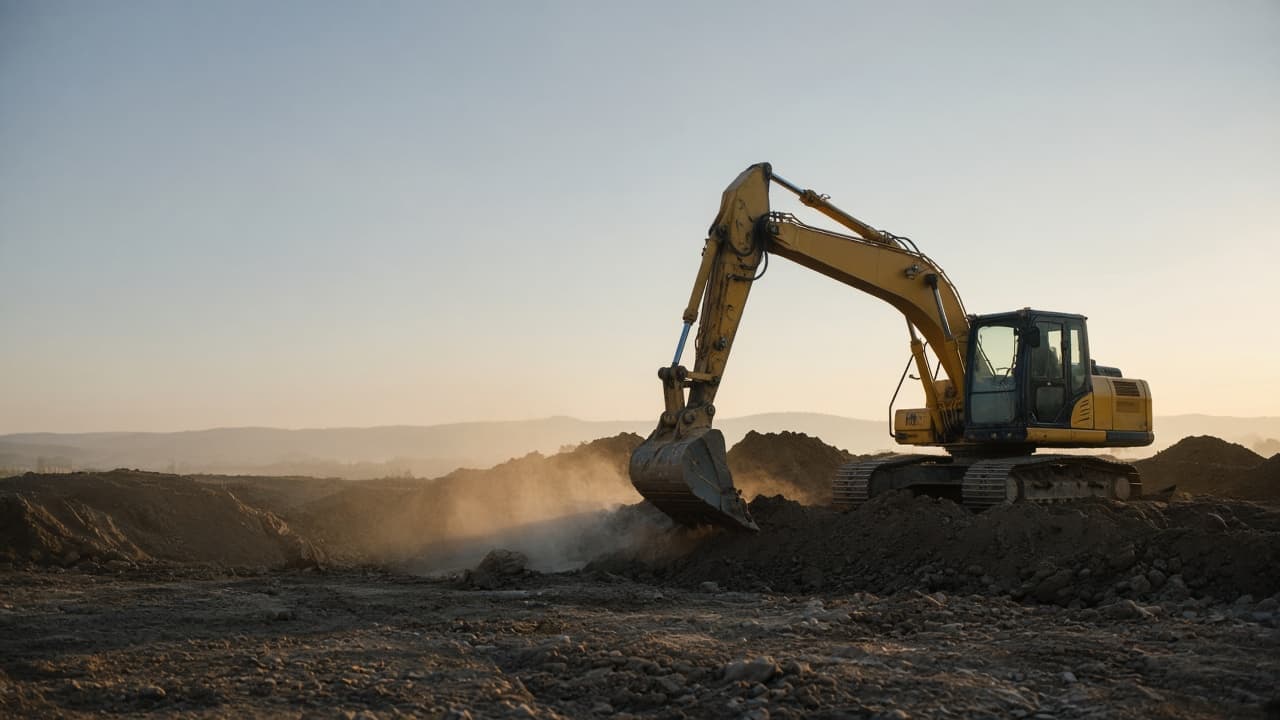
Where compact track loaders earn their payment
CTLs excel at grading around pools, carrying mulch in tight gates, and working utility trenches without tearing turf. Arborists and forestry mulching outfits use them as feed platforms. Lenders see these revenue lines in landscaping, environmental, and municipal contracts—not only heavy highway work.
Rated operating capacity on tracks differs from an equivalent skid steer because lift path and ground pressure change what you can safely carry. Finance the capacity you actually bill for, not the largest machine the dealer floor has in stock.
Financing new vs used track loaders
New CTLs include warranty on powertrain and sometimes extended coverage on undercarriage if purchased through promotional programs. That predictability supports longer amortization in many lender matrices.
Used track loaders from rental fleets often carry high hours and mid-life tracks. Budget for undercarriage refresh soon after purchase; lenders will not roll that maintenance into the equipment note unless bundled on the dealer invoice.
Private-party sales need serial verification and often a UCC search. Without dealer involvement, some banks decline; equipment finance companies may still proceed with higher down payment and inspection.
Lease vs loan on rubber-track loaders
Loans fit owners who keep CTLs through one full track life and sell while resale is still meaningful. You control maintenance intervals and attachment inventory.
Leases appeal when you refresh iron every three to four seasons to avoid major undercarriage bills and to present newer equipment to high-end residential clients.
Tax treatment differs: loan interest and depreciation flow through your returns; lease payments may be expensed differently depending on lease type. Section 179 could apply to purchased CTLs placed in service the same tax year, within IRS caps—confirm with your advisor and model options in our Section 179 calculator before committing.
Documentation lenders review
Quotes should show track width, counterweight, and any ride-control or grade-control options—these move price materially. If you finance a radio-equipped machine for GPS-ready earthworks, list those options explicitly.
Insurance certificates with lender loss-payee wording are standard. Because CTLs often trail between job sites, verify your policy covers transport and theft at unsecured yards.
Bank statements demonstrating seasonal spikes help underwriters understand landscaping cash flow. Pair them with a simple equipment utilization narrative: average billable days per month and typical day rate.
Comparing three CTL financing offers
Match advance percentage to the same machine valuation. One offer of “full financing” might exclude taxes and freight while another rolls soft costs into the note—compare total amount financed.
Track loaders depreciate faster when undercarriage is neglected; some lenders add covenants requiring proof of insurance and prohibiting liens from material suppliers on the same collateral.
Evaluate end-of-term options if you choose a lease: return conditions for track pad wear can trigger turn-in bills if not clarified upfront.
Run total cost scenarios at 36, 48, and 60 months—even if you prefer one term, seeing the spread shows whether a slightly higher payment buys materially less interest.
Compact Track Loader payment calculator
Enter your own numbers. This is standard amortization math — not a quote. Fees, interim interest, and tax are not included.
- Amount financed
- —
- Estimated monthly payment (illustrative)
- Enter price and illustrative APR
Age at payoff
Many equipment lenders cap the compact track loader’s age when the loan ends — limits vary by lender, collateral type, and hours. LoanHelp does not publish lender caps here because they change and are not universal. Ask each provider: “What is the maximum age (or hour) limit at the last payment?”
If you finance in 2026 with a 60-month term, the final payment falls in 2030. A 2021 model would be about 9 years old at payoff.
This is a planning estimate only, not approval criteria. Used machines with high hours, missing maintenance records, or repowers may face shorter terms regardless of model year.
Common questions
- Do lenders finance track replacement costs up front?
- Generally no—undercarriage is maintenance. Some dealers bundle a first set of tracks in the sale; only items on the equipment invoice typically collateralize the loan.
- How do hours affect CTL financing compared to skid steers?
- Track wear can be expensive, so high-hour machines may get shorter maximum terms even if the engine is strong. Provide undercarriage percentage reports when buying used.
- Can startups finance a compact track loader?
- Some alternative lenders work with younger businesses when bank statements show consistent deposits and the quote matches realistic revenue. Expect stronger personal guarantees or larger down payments than seasoned borrowers.
Related equipment
LoanHelp is not a lender. This page is general education—not an offer, rate quote, or approval guarantee.
Continue to application