Updated · LoanHelp editorial team · Editorial policy
Equipment financing guide — overview of terms, docs, and how inquiries work.
Equipment broke down? — repair bill vs replacement and which financing path fits.
Year-end Section 179 deadline — placed in service by Dec 31 vs. ordered or financed (IRS Pub. 946).
How businesses finance scissor lifts and boom lifts
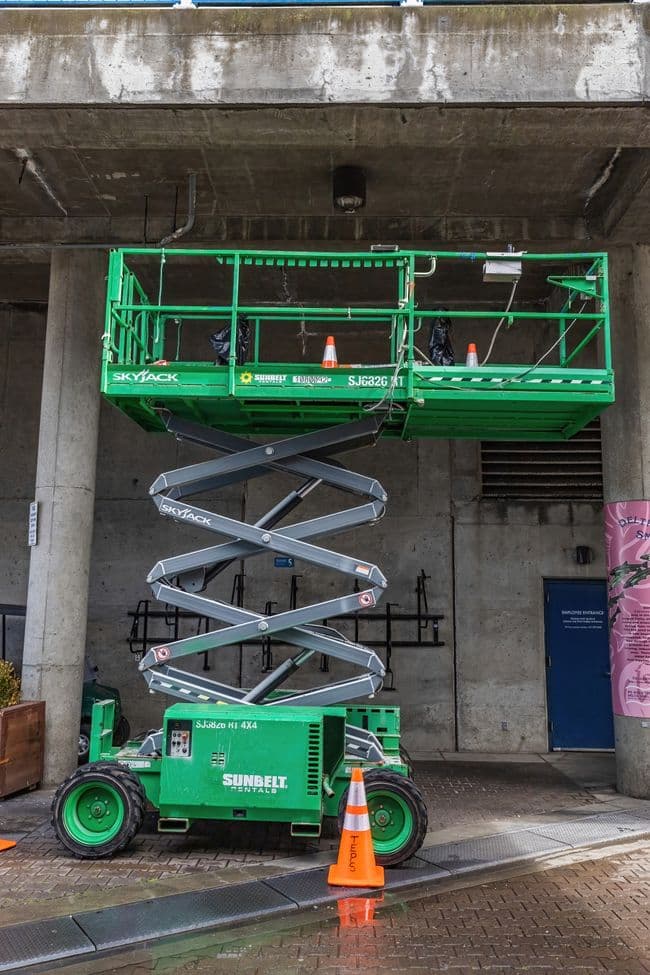
Answer first: owners typically use equipment financing or a lease secured by the lift when the machine is used most weeks and rental receipts would exceed a steady payment. Electricians, painters, sign installers, roofers, warehouse operators, and small rental yards all search for scissor lift, boom lift, man lift, and towable boom financing for the same reason—height access without writing a rental check every Monday.
Financing structure does not change daily safety practices on the platform—plan training, inspection, and maintenance regardless of whether you rent, finance, or lease. Our trusted financing partner sets rates, terms, and approval after you submit an inquiry.
Articulating booms, telescopic booms, slab scissors, rough-terrain scissors, vertical mast lifts, and trailer-mounted booms appear on different quotes—match your inquiry to the make, model, and serial on the invoice you intend to sign.
Buy vs keep renting (illustrative)
Illustrative example only: on paper, multiply your expected monthly rental rate by the number of months you would keep renting at that pace, then compare that total to a monthly payment on owned or leased equipment plus the maintenance, storage, insurance, and inspection costs you would carry as an owner.
Renting stays flexible when jobs are sporadic or you need several lift types in one month. Owning or leasing can simplify scheduling when crews book the lift most weeks and you control maintenance intervals.
Compare monthly-to-monthly on the same calendar horizon—not a weekly rental quote against a monthly payment line. Include insurance, inspection, transport, and major service when you model either path.
New vs used scissor and boom lifts
New lifts from dealers ship with factory warranty and predictable spec sheets—financing quotes may reflect expected years of service for that lift class.
Used lifts trade on hours, maintenance records, and whether the model still has parts support in your region. Private-party sales need clean title or lien releases and honest platform and control inspections before funding.
Rough-terrain scissors and booms add undercarriage wear—photos of tires, pothole guards, and outrigger pads help underwriters understand condition beyond model year alone.
What to have ready before you inquire
Vendor quote with make, model, year, serial when assigned, platform height, power type (electric vs diesel), and any delivery or training lines.
New vs used spelled out on the quote, plus hour meter readings and recent inspection records for used lifts.
Recent business bank statements and a short note on how often the lift will be used—warehouse, service truck, or job-site rental fleet.
Insurance agent contact and planned garaging address; trailer-mounted booms may need registration details on the quote.
Section 179 timing (placed in service)
IRS Publication 946 explains that Section 179 generally applies to qualifying property placed in service during the tax year—meaning the lift must be ready and available for use in your business in that year, not merely ordered, deposited on, or approved for financing.
Financing or leasing structure affects who may claim a deduction; Publication 946 describes lessee vs lessor treatment. Confirm elections with your tax professional and see our guide on financed equipment for a plain-language overview.
Inspection and training reminders
Employers remain responsible for safe lift operation regardless of financing path. OSHA’s aerial lifts page summarizes training and inspection topics for aerial work platforms—read the official page for what it covers rather than relying on summaries here.
Annual inspections, control checks, and platform guard integrity show up in used-lift reviews—keep dealer or third-party inspection reports with your maintenance file when you finance a used machine.
Compare three aerial lift finance offers
Match quotes on the same lift type and height class—a slab scissor payment is not comparable to a telescopic boom without adjusting for collateral value and term.
Ask whether freight, training, and batteries or chargers are inside the financed amount or due before funding.
Review prepayment language if you expect to trade lifts when fleet standards change—payoff quotes may include remaining fees.
Illustrative example only: two offers with the same monthly payment can differ by documentation fees at signing—compare total dollars over the term you expect to keep the lift.
Aerial Lift payment calculator
Enter your own numbers. This is standard amortization math — not a quote. Fees, interim interest, and tax are not included.
- Amount financed
- —
- Estimated monthly payment (illustrative)
- Enter price and illustrative APR
Age at payoff
Many equipment lenders cap the aerial lift’s age when the loan ends — limits vary by lender, collateral type, and hours. LoanHelp does not publish lender caps here because they change and are not universal. Ask each provider: “What is the maximum age (or hour) limit at the last payment?”
Enter a model year and term to see an illustrative payoff timing estimate.
This is a planning estimate only, not approval criteria. Used machines with high hours, missing maintenance records, or repowers may face shorter terms regardless of model year.
Common questions
- Can I finance a scissor lift and a boom lift on one inquiry?
- Dealer quotes often list one machine per invoice, which keeps collateral filings straightforward. If you are buying two lifts together, ask how the quote separates serial numbers and costs before you compare financing offers.
- Does towable boom lift financing differ from slab scissor lifts?
- Towable booms may be titled like trailers while slab scissors are often treated as shop equipment—insurance, registration, and collateral descriptions can differ. Match your inquiry to the asset on the quote.
- Should I keep renting if I only need a lift a few weeks a year?
- Rentals can make sense for occasional height work. When you use a lift most weeks, compare total rental spend against a monthly payment on owned or leased equipment—use illustrative math only until you have real quotes.
- What inspection records matter on used aerial lifts?
- Hours, annual inspection stickers, control function tests, and platform guard condition matter for resale and lender comfort. OSHA’s aerial lift page describes employer responsibilities for training and inspection—verify requirements for your operation.
- Will LoanHelp run a credit check when I submit an inquiry?
- LoanHelp does not perform a credit check when you submit an inquiry. Our trusted financing partner may request authorization for a credit inquiry later if you choose to move forward.