Updated · LoanHelp editorial team · Editorial policy
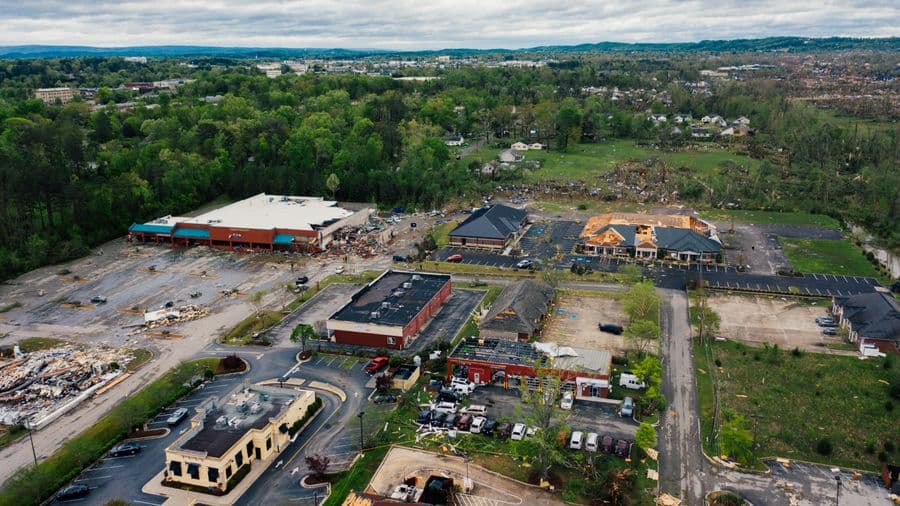
After a hurricane, flood, wildfire, hail storm, or tornado, most owners document damage, file insurance claims, and check whether their county sits in a declared disaster area before they commit to new debt. SBA disaster loans may help with physical damage or economic injury in declared areas — only on terms described at SBA.gov. While insurance or disaster aid is pending, working capital, a line of credit draw, or equipment financing on a replacement quote may bridge the gap; compare daily-debit products carefully. When you are ready, one inquiry goes to our trusted financing partner.
Document damage and contact your insurer first
Photograph structural damage, inventory losses, and equipment condition before cleanup removes evidence. Note serial numbers on trucks, kitchen lines, and shop tools. File the claim with your commercial insurer or agent and keep adjuster contact information handy — your insurer and agent can explain coverage limits and timelines.
SBA disaster loans (declared areas only)
The SBA disaster assistance page describes low-interest disaster loans for businesses and private nonprofits in declared disaster areas. Business physical disaster loans address repair or replacement of damaged property and equipment; Economic Injury Disaster Loans (EIDL) address working capital when the disaster keeps you from meeting ordinary operating expenses. Programs, eligibility, and filing steps are defined only on SBA.gov — LoanHelp is not affiliated with the SBA and does not process SBA disaster loan filings.
Check whether your county is in a declared area
FEMA’s disaster declarations page lists presidential and other declarations by state and incident. Match your business location to active declarations before you assume SBA disaster assistance applies.
Bridge the gap while insurance or disaster aid is pending
Insurance settlements and SBA disaster processing often run on calendars you do not control. While you wait, compare whether a working capital inquiry or a line of credit draw fits payroll, rent, and vendor bills. Use our cash gap calculator with your own numbers.
Payroll, rent, or vendors while insurance or SBA disaster aid is pending
Option: Working capital or a short-term lump sum after partner review
Recent bank statements, basic P&L or cash forecast, insurer claim number if filed
Recurring bills that continue during a partial shutdown
Option: Line of credit draw on an existing facility
Open line statements, limit and draw rules from your lender, updated cash forecast
Replace trucks, kitchen lines, shop tools, or inventory destroyed in the event
Option: Equipment financing on a replacement quote
Dealer or seller quote, insurance settlement letter if it changes out-of-pocket need
Bridge until disaster loan or grant funds arrive
Option: Compare total cost before stacking daily-debit products
Calendar of expected insurance or aid deposits vs. fixed debits
Replace damaged equipment quickly
When trucks, production lines, or shop tools are a total loss, equipment financing on a replacement quote may move faster than waiting on every insurance line item. Browse equipment by machine type and use the equipment lease vs loan calculator with the totals from your dealer quote.
Caution on stacking daily-debit products
After a disaster, fixed daily or weekly debits can pull the same dollars you need for payroll while insurance is slow. Read how merchant cash advances structure repayments and compare total dollars to the gap you actually need to cover.
What to have ready before you inquire
- Insurer claim number, adjuster contact, and photos or inventory lists of damage.
- Recent business bank statements and a simple cash forecast for the next few weeks.
- Replacement equipment quotes if you are comparing financing alongside insurance.
- Declaration reference from FEMA or SBA.gov if you already confirmed eligibility.
Common questions
- What is an SBA disaster loan for a business?
- SBA.gov’s disaster assistance page describes low-interest disaster loans for businesses, nonprofits, homeowners, and renters in declared disaster areas. Business physical disaster loans address damaged property and equipment; Economic Injury Disaster Loans (EIDL) address working capital when the disaster keeps you from meeting ordinary operating expenses.
- How do I know if my county is in a declared disaster area?
- FEMA’s disaster declarations page lists presidential and other declarations by state and incident. SBA disaster assistance is tied to declared areas described on SBA.gov — confirm your location against both sources before you assume a program applies.
- Should I wait for insurance before replacing equipment?
- File the claim and document losses first. When downtime cost is high, some owners compare equipment financing on a replacement quote while the claim is open — our trusted financing partner decides eligibility after review.
- Can LoanHelp help with SBA disaster paperwork?
- No. SBA disaster loan filings go through SBA.gov channels. LoanHelp connects inquiries to our trusted financing partner for working capital, lines of credit, or equipment financing outside SBA disaster programs.
- Will LoanHelp run a credit check when I submit an inquiry?
- LoanHelp does not perform a credit check when you submit an inquiry. Our trusted financing partner may request authorization for a credit inquiry later if you choose to move forward.