Updated · LoanHelp editorial team · Editorial policy
Equipment financing guide — overview of terms, docs, and how inquiries work.
Equipment broke down? — repair bill vs replacement and which financing path fits.
Year-end Section 179 deadline — placed in service by Dec 31 vs. ordered or financed (IRS Pub. 946).
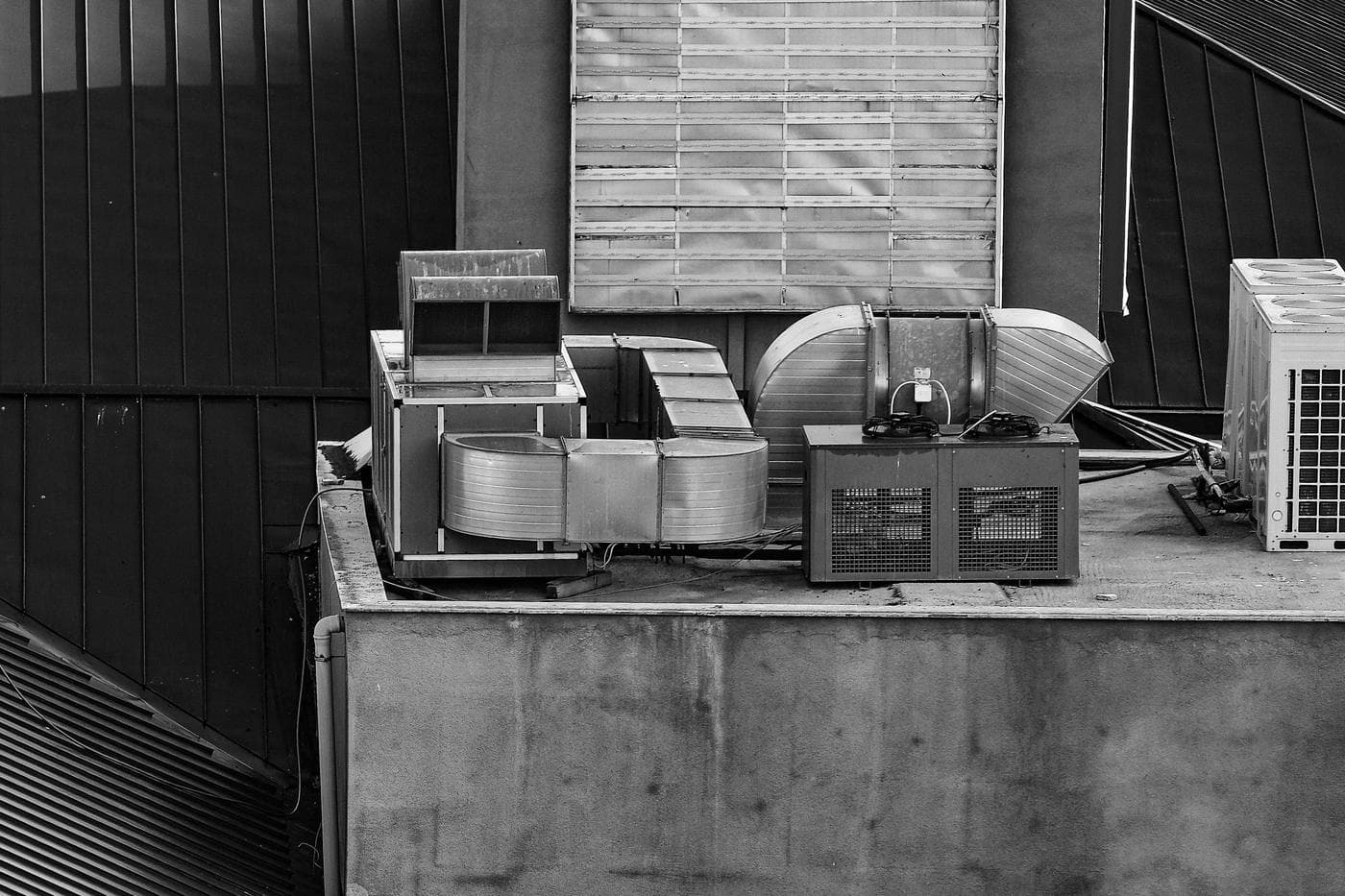
HVAC contractors and building owners often finance one rooftop unit, split system, chiller, or make-up air package when a unit dies mid-season or a landlord or inspector requires replacement — one inquiry compares loans and leases on the written quote with crane and install lines spelled out.
How owners finance one commercial HVAC replacement
When a rooftop unit fails in peak cooling or heating season, the first step is a written mechanical quote listing tonnage, efficiency tier, curb or adapter work, crane access, startup, and warranty. Compare an equipment loan or lease on that quote against a line of credit draw for smaller split swaps — loans build equity on gear you expect to keep through several seasons; leases fit when you refresh tonnage on a fixed cycle.
Know who owns and maintains the unit if you lease the building: base-building RTUs may sit with the landlord while tenant improvements such as kitchen make-up air often stay with the operator. Our financing partner sets rates, terms, and approval after you submit an inquiry — LoanHelp does not approve financing.
What to have ready
What to have ready (checklist)
- Contractor quote with model, tonnage or MBH, refrigerant type, serial numbers when assigned, and separate lines for crane, rigging, electrical, and controls.
- Roof photos or structural notes if your contractor flags deck reinforcement.
- Lease excerpt or landlord approval when the unit serves a tenant space in a multi-tenant building.
- Time in business and recent revenue on bank statements or basic financials our financing partner requests.
- Insurance agent contact in case our financing partner asks for proof of coverage on the unit.
Loan vs lease vs line of credit for one unit
Use the equipment lease vs loan calculator with your own quote totals; swap placeholder numbers for the tonnage and install scope on your mechanical proposal.
Equipment loan
Summary: Equipment loans amortize the RTU, curb, and startup on the quote when those lines collateralize together.
Detail: A lease is accounted for and taxed differently from a loan — confirm the structure with your CPA before you choose.
Line of credit
Summary: A line of credit helps when you need several smaller split replacements in one month but already carry an open facility for inventory — stack the LOC draw against a dedicated equipment note only after you compare total dollars, not monthly payment alone.
Detail: —
| Path | Summary | Detail |
|---|---|---|
| Equipment loan | Equipment loans amortize the RTU, curb, and startup on the quote when those lines collateralize together. | A lease is accounted for and taxed differently from a loan — confirm the structure with your CPA before you choose. |
| Line of credit | A line of credit helps when you need several smaller split replacements in one month but already carry an open facility for inventory — stack the LOC draw against a dedicated equipment note only after you compare total dollars, not monthly payment alone. | — |
Section 179 basics
IRS Publication 946 describes Section 179 limits and qualifying property. Use the Section 179 calculator for directional scenarios, then confirm elections with your accountant.
Compare offers and related equipment
Match quotes on the same tonnage and efficiency tier — financing a 15-ton RTU alongside a 5-ton quote skews payment comparisons.
Ask whether electrical upgrades, condensate pumps, or BACnet controls are inside the financed amount or due before funding.
If a walk-in cooler or freezer is being replaced in the same building, compare both quotes side by side before you sign.
Backup power for the same building may involve a separate generator package — review both quotes if outage risk drives the project timeline.
What would a commercial heating & cooling cost per month?
Enter a price for an instant estimate. It uses illustrative example rates, so you do not need a quote or an interest rate. Not an offer.
Time in business (optional)
This does not change the estimate. It fills in your inquiry if you continue.
Enter a price or tap one above to see an estimated monthly payment. It updates as you type.
Have a lender quote already? Check its math with the equipment loan calculator.
Age at payoff
Many equipment lenders cap the commercial heating & cooling’s age when the loan ends — limits vary by lender, collateral type, and hours. LoanHelp does not publish lender caps here because they change and are not universal. Ask each provider: “What is the maximum age (or hour) limit at the last payment?”
Enter a model year and term to see an illustrative payoff timing estimate.
This is a planning estimate only, not approval criteria. Used machines with high hours, missing maintenance records, or repowers may face shorter terms regardless of model year.
Common questions
- Can crane, curb adapter, and rigging finance with the RTU?
- When the mechanical contractor lists crane, rigging, curb, and startup on the same quote as the unit serial numbers, our financing partner may include them in one collateral package. Permits and asbestos abatement outside the equipment scope may need separate budgeting — itemize before you compare offers.
- Equipment loan vs lease vs line of credit for one rooftop unit?
- Equipment loans and leases collateralize the unit on the quote. A line of credit draw can cover smaller split-system swaps when you already have an open facility — compare total repayment on the dollars you need, not the monthly payment alone.
- Who owns the unit if I lease the building?
- Commercial leases vary: some landlords replace base-building RTUs; tenants often finance units serving their kitchen, retail floor, or production space. Who is responsible depends on your lease, so read its maintenance and replacement clauses before you sign a note.
- Does Section 179 apply to financed HVAC equipment?
- IRS Publication 946 explains that Section 179 generally applies to qualifying property placed in service during the tax year — meaning the asset must be ready and available for use in your business in that year, not merely ordered or approved for financing.
- Will LoanHelp run a credit check when I submit an inquiry?
- LoanHelp does not perform a credit check when you submit an inquiry. Our financing partner may request authorization for a credit inquiry later if you choose to move forward.