Updated · LoanHelp editorial team · Editorial policy
Equipment financing guide — overview of terms, docs, and how inquiries work.
Equipment broke down? — repair bill vs replacement and which financing path fits.
Year-end Section 179 deadline — placed in service by Dec 31 vs. ordered or financed (IRS Pub. 946).
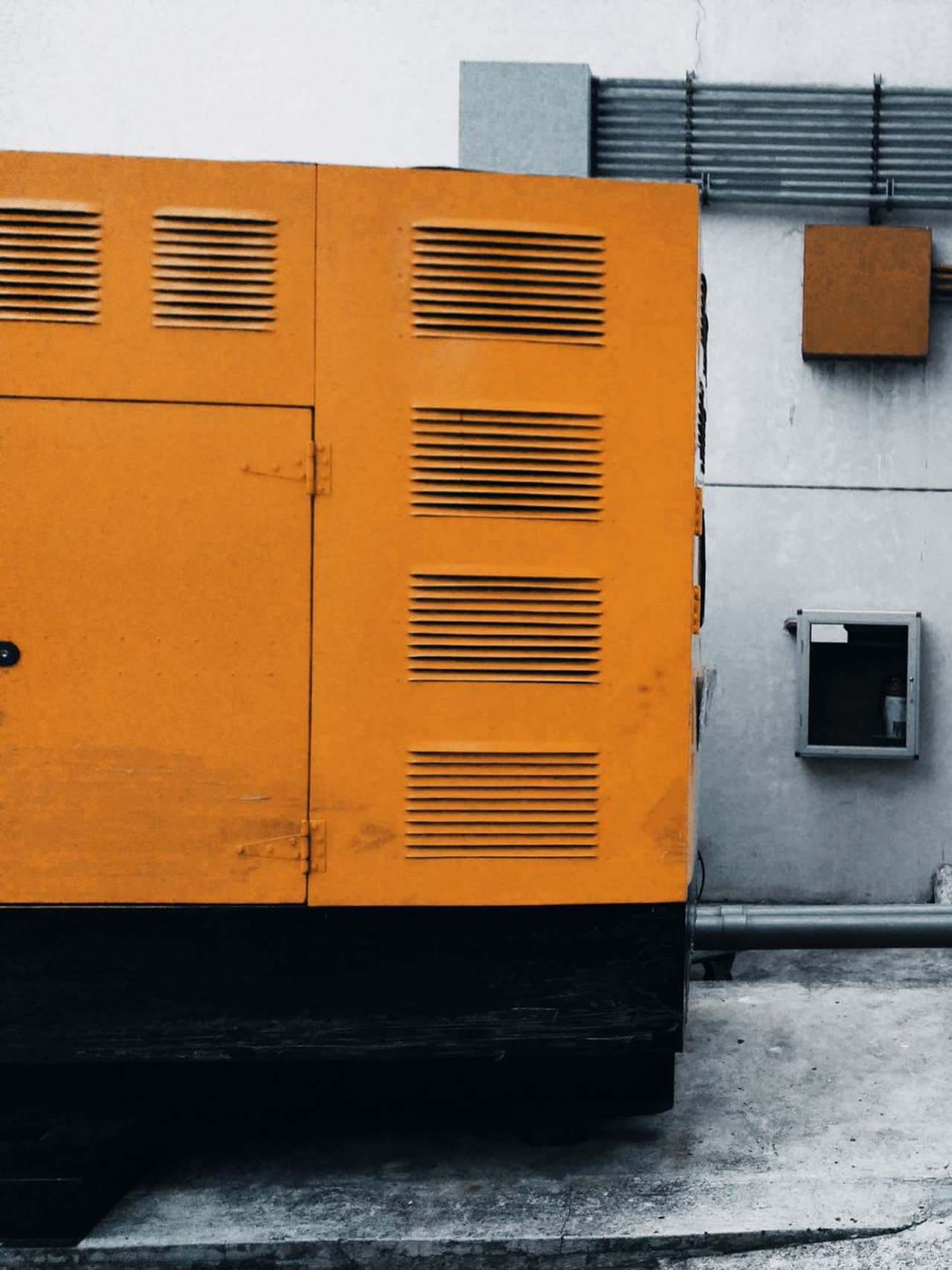
How businesses finance commercial backup generators
Answer first: owners finance standby or portable generators when downtime costs more than the monthly payment — cold storage, medical equipment, POS systems, and production lines all stop when utility power drops. A single inquiry can compare loans and leases on the generator, transfer switch, and install scope when the funder allows those lines on one quote.
Copy stays general: any business that needs backup power can use this path — not only contractors. Match quotes on kW capacity, fuel type (diesel, natural gas, propane), and whether the unit is fixed standby or portable towable.
Generator, transfer switch, and installation on one quote
Installer quotes should list model, kW rating, enclosure, automatic transfer switch, wiring, pad, and permit fees when applicable.
Ask whether the funder needs a lien on real property when switchgear is hard-wired — some files treat building work separately from the generator serial number.
Commercial property insurance with loss payee endorsement matching the lender is standard for fixed standby installs.
New vs used generators
New units include factory warranty and predictable spec sheets for underwriting.
Used standby generators need maintenance logs, load tests, and photos of the enclosure and fuel system — lenders cap term when hours are high.
Portable commercial generators may fund on lighter documentation but with shorter terms when resale depth is thin.
Buy vs lease
Loans fit when you plan to keep the same backup unit for many years and want to own the transfer switch and pad work at payoff.
Leases may fit when you refresh kW capacity after building expansion — compare end-of-term buyout and maintenance covenants.
What to have ready before you inquire
Installer quote with model, kW, fuel type, serial number when assigned, and separate lines for generator, ATS, wiring, and pad.
Site scope: address, indoor vs outdoor install, distance to utility tie-in, and expected lead time.
Recent business bank statements and a short note on revenue at risk during outages (perishable inventory, appointments canceled, etc.).
Insurance agent contact for the location receiving standby power.
Section 179 (IRS Publication 946)
IRS Publication 946 explains Section 179 for qualifying property placed in service during the tax year.
Whether a generator, switchgear, or install labor qualifies and who may claim a deduction depends on facts and Pub. 946 — confirm with your tax professional.
Compare three generator finance offers
Align quotes on the same kW, fuel type, and install scope — a generator-only price is not comparable to a turnkey standby package.
Note whether each offer includes the transfer switch and pad or treats them as separate draws.
Keep a copy of the installer scope so your inquiry matches the quote you plan to sign.
Commercial Generator payment calculator
Enter your own numbers. This is standard amortization math — not a quote. Fees, interim interest, and tax are not included.
- Amount financed
- —
- Estimated monthly payment (illustrative)
- Enter price and illustrative APR
Age at payoff
Many equipment lenders cap the commercial generator’s age when the loan ends — limits vary by lender, collateral type, and hours. LoanHelp does not publish lender caps here because they change and are not universal. Ask each provider: “What is the maximum age (or hour) limit at the last payment?”
Enter a model year and term to see an illustrative payoff timing estimate.
This is a planning estimate only, not approval criteria. Used machines with high hours, missing maintenance records, or repowers may face shorter terms regardless of model year.
Common questions
- Can the automatic transfer switch and installation finance with the generator?
- Many funders include permanently installed transfer switches, wiring, and pad work on the same installer quote when those items are listed on the invoice and treated as part of the collateral package. Portable units without fixed install may fund separately from site work — match each quote to what you want secured.
- Does standby vs portable change how lenders review the file?
- Standby units tied to a building address usually need installer sign-off, permits as applicable, and commercial property insurance with loss payee. Portable generators may fund on a shorter term with lower collateral value — bring kW rating, fuel type, and whether the unit is fixed or towable.
- New vs used commercial generators — what matters on approval?
- New equipment ships with factory warranty and clear spec sheets. Used generators trade on hours, load-bank tests, enclosure condition, and remaining engine life. Service records and a recent inspection report support used collateral.
- Buy vs lease for backup power?
- Loans build equity when you expect to keep the same unit for many outage seasons. Leases with FMV or buyout options fit when you refresh technology on a fixed cycle — compare buyout language and maintenance responsibilities on each quote.
- Will LoanHelp run a credit check when I submit an inquiry?
- LoanHelp does not perform a credit check when you submit an inquiry. Our trusted financing partner may request authorization for a credit inquiry later if you choose to move forward.