Updated · LoanHelp editorial team · Editorial policy
Equipment financing guide — overview of terms, docs, and how inquiries work.
Equipment broke down? — repair bill vs replacement and which financing path fits.
Year-end Section 179 deadline — placed in service by Dec 31 vs. ordered or financed (IRS Pub. 946).
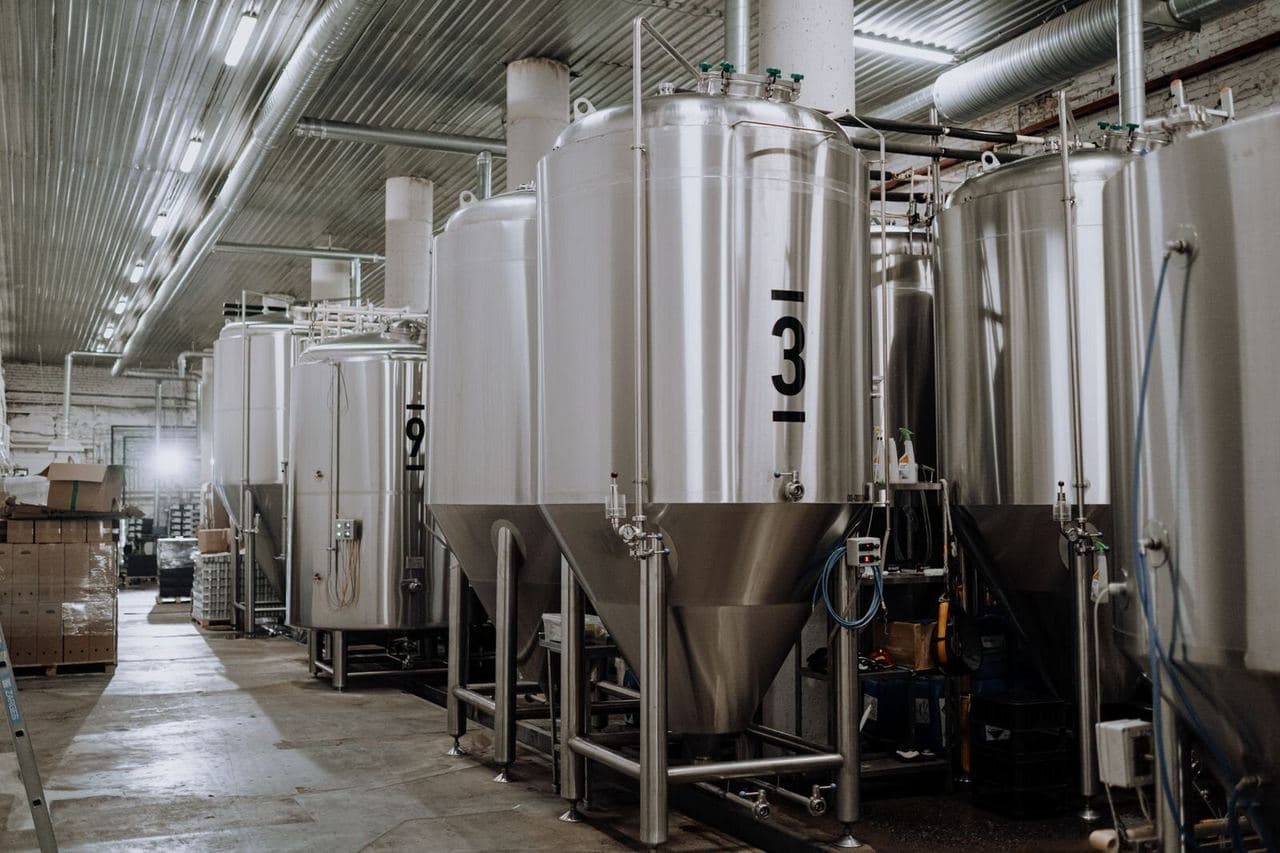
Brewery equipment financing works like other secured equipment loans and leases: the brewhouse, tanks, canning line, or chiller on your signed vendor quote usually serves as collateral, and the offer depends on how your business earns and how long you have operated.
Owners search when a fermenter farm is maxed out, a canning line is added for distribution, or a distillery upgrades stills and bottling — across breweries, wineries, cideries, and tasting-room brands that outgrow cellar or packaging capacity.
Compare total cost, term length, and how the payment sits against grain, fruit, packaging, and payroll before you sign, and keep questions about rates and approval open-ended until you see written terms.
Buying new vs used vs leasing
Use this table to compare structures before you run the same quote through our calculators or submit an inquiry.
| Path | How it works | Often suits |
|---|---|---|
| Buying new | You finance or pay cash for new tanks, brewhouse modules, or packaging lines from an integrator; warranty and lead times follow the vendor program on the quote. | Greenfield expansions, replacing worn cellar gear you plan to keep for years, or standardizing vessel sizes across brands. |
| Buying used | You finance pre-owned fermenters, brite tanks, or canning lines when condition, pressure ratings, and maintenance history are documented on the proposal. | Adding capacity without new-equipment lead time, or buying from a brewery that upgraded on a schedule. |
| Leasing | You make scheduled payments for use of the equipment with end-of-term buyout or return options spelled out in the contract. | Packaging lines you may refresh on a cycle, preserving cash for grain or fruit inventory, or matching payments to a seasonal production curve. |
What to have ready
Equipment quote or spec sheet with vessel sizes, brewhouse capacity, canning or bottling line throughput, chiller tonnage, and price for each major item.
Condition and service history on used tanks or lines, plus photos of interiors, manways, and fittings when available.
Time in business and recent bank statements or summaries that show how production volume translates to revenue.
Current production volume in plain terms — barrels, cases, or proof gallons — so funders understand utilization without invented forecasts.
Insurance agent contact and entity documents when funders ask about premises coverage for cellar and packaging areas.
Used tanks and private sellers
Purchases from retiring brewers, auction houses, or brokered tank farms need clean title, pressure-vessel documentation, and inspection reports before a funder treats stainless as collateral.
Read how bill-of-sale, escrow, and payoff timing work on our guide to financing used equipment from a private seller.
Lease vs loan in plain words
An equipment loan spreads purchase price over a fixed term; you build equity in tanks and lines as you pay down the note. A lease may trade ownership for payment flexibility and different end-of-term choices — compare buyout language and who maintains glycol and packaging service contracts.
Run the equipment loan calculator and the lease vs loan calculator with the same quote to see how term and structure change the monthly payment before you inquire.
Purchased production gear may qualify for Section 179 within IRS limits when placed in service in the tax year — IRS Publication 946 describes the general rules; leased packaging lines follow different deduction paths.
Section 179 timing
IRS Publication 946 describes when property qualifies as placed in service. Financing approval alone does not place equipment in service — delivery, installation, and readiness for production in your business drive tax timing; confirm details with your CPA.
What brewery equipment financing usually covers
Brewhouses and cellar stacks: mash tuns, brew kettles, whirlpools, fermenters, brite tanks, and unitanks when listed as hardware on the quote.
Packaging: canning lines, bottling lines, labelers, depalletizers, and keg fillers when serial numbers and throughput specs are itemized.
Utilities: glycol chillers, boilers, CIP skids, and walk-in cold storage when bundled with production equipment on the same proposal.
Winery and distillery parallels: tank farms, presses, stills, condensers, and spirit-safe bottling gear described on integrator invoices.
A new premises or major production change may involve federal permit filings with the Alcohol and Tobacco Tax and Trade Bureau — see ttb.gov for official guidance.
Brewery equipment payment calculator
Enter your own numbers. This is standard amortization math — not a quote. Fees, interim interest, and tax are not included.
- Amount financed
- —
- Estimated monthly payment (illustrative)
- Enter price and illustrative APR
Age at payoff
Many equipment lenders cap the brewery equipment’s age when the loan ends — limits vary by lender, collateral type, and hours. LoanHelp does not publish lender caps here because they change and are not universal. Ask each provider: “What is the maximum age (or hour) limit at the last payment?”
Enter a model year and term to see an illustrative payoff timing estimate.
This is a planning estimate only, not approval criteria. Used machines with high hours, missing maintenance records, or repowers may face shorter terms regardless of model year.
Common questions
- Can one inquiry cover a brewhouse, fermenters, and a canning line?
- When the vendor lists each major item with model, serial or stock number, and price on one proposal, our trusted financing partner may treat the package as a single collateral group. Installation, glycol, and TTB-related build-out may need separate lines — itemize before you compare offers.
- Do wineries and distilleries use the same equipment financing process?
- Tank farms, stills, bottling lines, and chillers move through the same secured equipment loan or lease review when they are itemized on a dealer or integrator quote. Describe whether the gear is production, packaging, or cellar so collateral descriptions match the invoice.
- New vs used fermentation and brite tanks?
- New tanks carry factory warranty and predictable lead times. Used stainless vessels can qualify when the seller documents interior condition, fittings, and pressure ratings on the quote — expect the funder to weigh age and remaining useful life.
- Does LoanHelp lend on brewery equipment?
- No. LoanHelp is a referral service, not a lender. Our trusted financing partner sets rates, down payment, and term after reviewing your inquiry.