Updated · LoanHelp editorial team · Editorial policy
Equipment financing guide — overview of terms, docs, and how inquiries work.
Equipment broke down? — repair bill vs replacement and which financing path fits.
Year-end Section 179 deadline — placed in service by Dec 31 vs. ordered or financed (IRS Pub. 946).
How tree companies finance bucket trucks and chippers
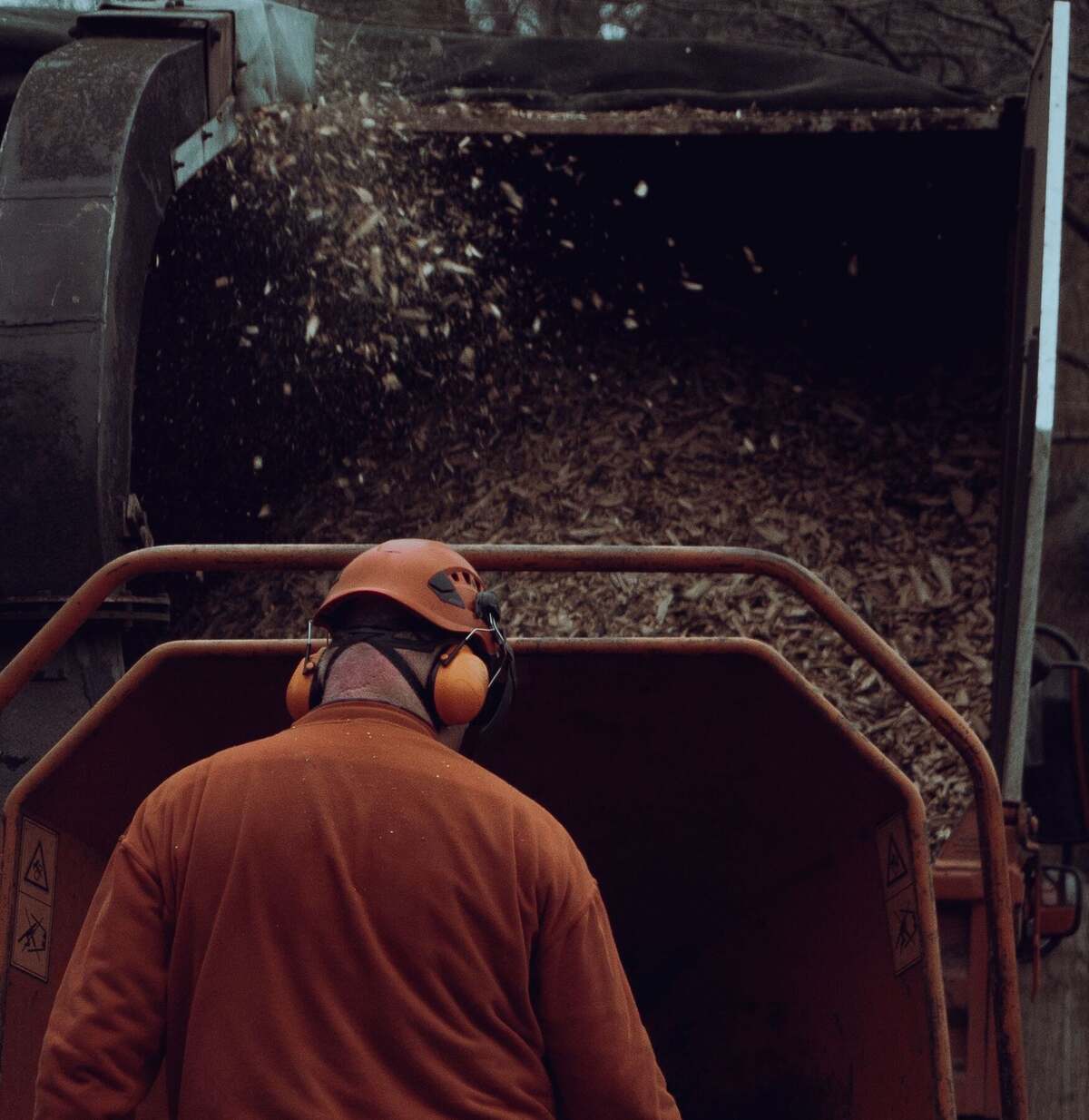
Answer first: arborists and vegetation management contractors use equipment loans and leases for bucket trucks, chip trucks, chippers, and stump grinders.
Our trusted financing partner sets rates, terms, and approval after you submit an inquiry.
Bucket trucks and aerial lift trucks for canopy work, tow-behind and truck-mounted chippers, self-propelled stump grinders, and grapple loaders feeding chip bodies each show up on different quotes—match your inquiry to the make, model, and serial on the invoice you intend to sign.
What lenders look at on arborist trucks and chippers
Age and hours matter on used bucket trucks and chippers—underwriters read hour meters, hydraulic service records, and boom inspection reports, not model year alone.
New vs used pricing on the quote should match how the asset will be titled; truck-mounted chip bodies may need separate lien filings from the cab-chassis.
Private-seller purchases need VIN or serial verification, lien search results, and photos that show boom, chipper drum, and undercarriage condition before funding.
Contract support helps when you are adding capacity for utility vegetation, municipal bid work, or storm contracts—bring letters or scope summaries that show how the equipment earns.
Illustrative example only: if a used unit is quoted at $100,000 and a new one at $150,000, compare total dollars over the years you expect to keep each—not just the monthly payment.
What to have ready before you inquire
Dealer or seller quote with make, model, year, VIN or serial numbers, boom reach or chipper capacity, and any delivery or upfit lines separated from maintenance contracts.
Hour meter and hydraulic service records for used chippers, stump grinders, and bucket trucks—include recent boom or lift inspection summaries when available.
Recent business bank statements and a short note on storm vs steady utility work so lenders understand seasonality.
Insurance agent contact, garaging address, and registration plans for any truck that will run on public roads with a chip body or lift.
Utility or municipal contract summaries when the purchase supports a specific bid or storm-response roster—not required for every inquiry, but useful when time in business is short.
One deal vs two when you buy a truck and chipper together
When the chip body, chipper and cab-chassis are on one dealer invoice, send the full invoice so funders can see every component.
Buying a bucket truck now and a tow-behind chipper later may mean two notes or a second amendment—plan which asset must be on the road first so you do not miss contract start dates waiting for paperwork.
Grapple trucks and self-loading chip bodies add hydraulics and weight ratings—confirm GVWR and bridge-law notes on the quote match how you will haul chips and logs.
If you already own a chipper and only need a replacement truck, say so on the inquiry so collateral matches the cab-chassis and mounting hardware on this transaction.
Lease vs loan and payment planning
Equipment loans list you as owner when the note closes—you carry insurance, registration, and major repairs while you build equity in the truck or chipper.
Leases with buyout options can fit fleets that refresh bucket trucks on a fixed cycle; know who maintains chipper knives and boom cables on each quote.
Use the equipment lease vs loan calculator with your own quote totals, then stress-test monthly payments against your slower months with the DSCR calculator—illustrative math only until a funder sends term sheets.
Section 179 timing (placed in service)
IRS Publication 946 explains that Section 179 generally applies to qualifying property placed in service during the tax year—meaning the truck or chipper must be ready and available for use in your business in that year, not merely ordered, deposited on, or approved for financing.
Financing or leasing structure affects who may claim a deduction; Publication 946 describes lessee vs lessor treatment. Confirm elections with your tax professional before you rely on year-end timing.
Compare three tree equipment finance offers
Align quotes on the same asset class—a tow-behind chipper payment is not comparable to a bucket truck with a mounted chip body without adjusting term and collateral.
Ask whether federal excise tax, freight, upfit labor, and chipper install are inside the financed amount or due before funding.
Review default and insurance requirements for trucks that run in storms—loss payee and garaging should match where the unit actually sits between events.
Illustrative example only: if one quote shows a lower monthly payment but adds a large documentation fee at signing, compare total dollars over the full term you expect to keep the asset—not the payment alone.
Tree service equipment payment calculator
Enter your own numbers. This is standard amortization math — not a quote. Fees, interim interest, and tax are not included.
- Amount financed
- —
- Estimated monthly payment (illustrative)
- Enter price and illustrative APR
Age at payoff
Many equipment lenders cap the tree service equipment’s age when the loan ends — limits vary by lender, collateral type, and hours. LoanHelp does not publish lender caps here because they change and are not universal. Ask each provider: “What is the maximum age (or hour) limit at the last payment?”
Enter a model year and term to see an illustrative payoff timing estimate.
This is a planning estimate only, not approval criteria. Used machines with high hours, missing maintenance records, or repowers may face shorter terms regardless of model year.
Common questions
- Can I finance a bucket truck and a wood chipper on one inquiry?
- Dealer packages sometimes list the truck, chipper body, and chipper unit on one invoice when everything titles together. Separate purchases—adding a chipper to an owned truck later—may need two collateral descriptions. Ask how your quote splits VINs and serial numbers before you compare offers.
- Do lenders finance stump grinders and chippers the same way?
- Self-propelled stump grinders and tow-behind chippers often collateralize like other titled or serial-numbered equipment. Truck-mounted chippers tie to the chassis VIN and upfit liens. Match your inquiry to the asset on the quote, not a generic equipment label.
- What if I am buying from another tree company instead of a dealer?
- Private-party sales need clean title, lien releases, hour meter readings, and inspection photos lenders can reconcile to the bill of sale. See our private-seller guide for documents funders commonly request before they wire.
- Should I lease or borrow for storm-season fleet adds?
- Loans build equity when you expect to keep the truck or chipper through several storm cycles. Leases with buyout options fit when you refresh fleet on a fixed schedule. Compare who maintains the chipper hydraulics on each quote—use illustrative payment math only until you have real terms.
- Will LoanHelp run a credit check when I submit an inquiry?
- LoanHelp does not perform a credit check when you submit an inquiry. Our trusted financing partner may request authorization for a credit inquiry later if you choose to move forward.